
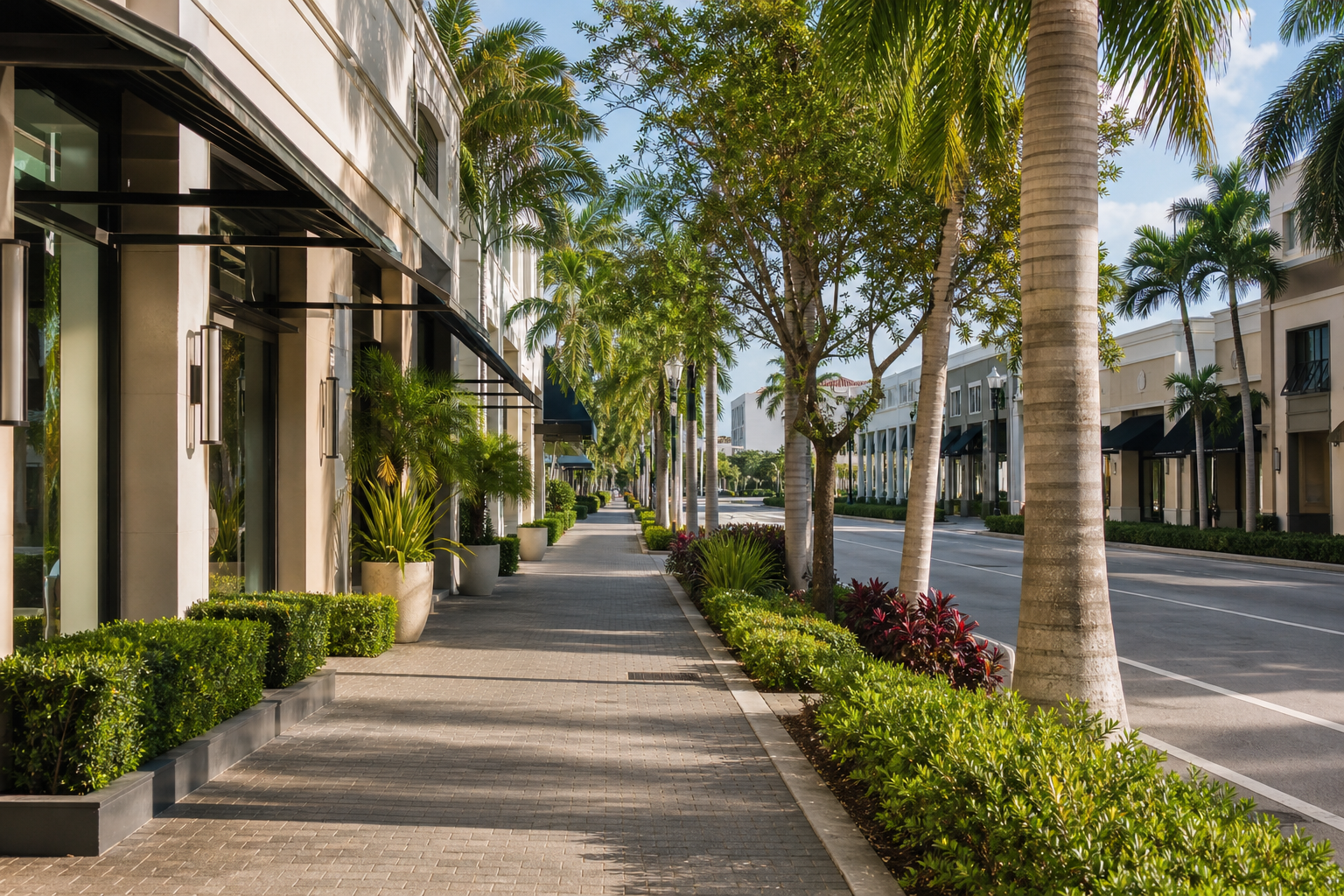
Relocating to South Florida means planning for year-round heat, a storm season that runs June through November, and housing that varies sharply by area. Visit before you commit, check flood zone and insurance before signing anything, and choose your part of Greater Fort Lauderdale by lifestyle and property type, not just price.
What should you expect when relocating to South Florida?
Relocating to South Florida means planning for year-round heat, a storm season that runs June through November, and housing that varies sharply from one area to the next. Visit before you commit, check flood zone and insurance before you sign a lease or contract, and choose your part of Greater Fort Lauderdale by lifestyle and property type, not just price. Do those three things and the move gets much easier.
Key Takeaways
- Recent local market data for Wilton Manors shows a $575,000 median sale price, 51 median days on market, and 164 active listings, so buyers have room to be selective.
- Median sale prices across Greater Fort Lauderdale areas range from $338,000 in Pompano Beach to $4,820,500 in Las Olas Isles, so “South Florida” is not one market.
- The City of Fort Lauderdale advises keeping emergency supplies for at least 72 hours, and storm planning belongs on your relocation checklist from day one.
- Confirm insurance coverage and research the flood zone before you sign a lease or purchase contract, not after.
- Renting for a stretch before you buy is a legitimate strategy when you don’t yet know which part of Broward County fits your daily life.
What is daily life like after relocating to South Florida?
Daily life here is built around heat, water, and the outdoors, with a storm season you plan for rather than fear. Most people adjust quickly, but the adjustments are real, and it’s better to know them before the moving truck shows up.
How should you think about the climate?
Expect warm weather most of the year and a long, humid summer. That changes how you use your day: errands early, outdoor time in the evening, and air conditioning that runs a lot. It also changes how you evaluate a home. Roof age, windows, and the AC system matter more here than they would in a cooler climate.
The Atlantic hurricane season runs June 1 through November 30. That doesn’t mean constant danger. It means you have a plan. The City of Fort Lauderdale advises residents to keep emergency supplies for at least three days, or 72 hours. Build that kit in your first month, not when a storm shows up on the forecast.
What about getting around and local amenities?
Greater Fort Lauderdale is spread out. Some areas let you walk to restaurants, coffee, and the waterfront. Others are fully car-dependent. Beaches, boating access, nightlife, and airport convenience all vary by location, and nobody can tell you which trade-off suits you without knowing how you live.
I tell relocating clients to drive their real commute at the real hour before they fall in love with a house. Traffic on a Sunday afternoon tells you nothing about a Tuesday at 8 a.m.
What is the culture like?
It’s relaxed, outdoorsy, and international. Boating, dining out, and events near the water are part of normal life, and the area draws people from all over the country and the world. That mix is a big reason people move here, and it means you’ll likely meet other newcomers quickly.
What housing options and costs should you plan for?
Your options run from condos and townhomes to single-family homes and waterfront properties, and the price spread is wide. Where you land depends on how you want to live and what you want to do with the property.
Condo, single-family, or waterfront?
Condos are common and can be a good fit, but they come with association budgets, reserves, and possible special assessments you need to understand before buying. I break that down in my post on condo buying in South Florida.
Waterfront is its own category. Not all waterfront is equal, and a beautiful canal view doesn’t automatically mean the property works for your boat. Depth, bridge clearance, and dock condition all matter if boating is part of why you’re moving.
Flood zones and insurance
This is where out-of-state buyers get surprised. Flood risk and homeowners insurance affect which homes make sense, and the answers differ property by property, even on the same street. Research the flood zone for any address you’re considering, and confirm coverage before you sign a lease or purchase contract. Insurance costs depend on the home’s age, construction, roof, and location, so get real quotes for the specific property rather than trusting a rule of thumb.
Should you rent before you buy?
If you don’t know the area yet, renting first is a smart move. You learn the commute, the noise, and the rhythm of a neighborhood without a long commitment. If you’re coming for the winter months only, timing matters differently. My post on snowbird buyers and South Florida relocation timing covers that.
If you already know what you want, buying can make sense sooner. The right answer depends on your timeline, your finances, and how certain you are about the move. That’s a conversation worth having with someone who knows this market before you start touring.
How do you prepare before relocating to South Florida?
Start with a short visit, then work through a checklist covering storm readiness, insurance, housing, and logistics. Here’s the order I’d follow.
- Visit more than once if you can. A trip in a different season shows you the climate honestly.
- Narrow your areas by lifestyle. Decide how important walkability, beach access, boating, and airport proximity are to you.
- Research flood zones and insurance. Do this for each address you seriously consider, before you sign anything.
- Set your housing plan. Decide whether you’re renting first, buying now, or selling elsewhere first.
- Build your storm plan. That means a 72-hour supply kit, a look at evacuation routes, and a plan for where you’d go.
- Line up your moving timeline. Coordinate your departure date, your arrival date, and your closing or lease start.
If you’re also selling a home in another state, the sequencing is the hard part. Selling first, buying first, adjusting closing dates, or negotiating a post-occupancy arrangement are all options, and the right one depends on you. I can help you prepare and sell the property you’re leaving while coordinating with an agent in your destination market if you’re moving the other direction.
For a fuller walkthrough, see my guide to relocating to Fort Lauderdale.
Which part of Greater Fort Lauderdale fits your move?
The honest answer is that it depends on your priorities, and the numbers show how different the areas are. “Greater Fort Lauderdale” is broader than the City of Fort Lauderdale and covers multiple Broward County municipalities. Someone relocating here isn’t just choosing a house. They’re choosing a life, and I’d rather you understand where you’re going to live than just see homes that match a bedroom count.
Here’s a snapshot of area-level medians from recent local market data:
| Area | Median Sale Price | Median Days on Market |
|---|---|---|
| Wilton Manors | $575,000 | 51 |
| Oakland Park | $415,000 | 47 |
| Pompano Beach | $338,000 | 18 |
| Lighthouse Point | $915,000 | 49 |
| Victoria Park | $785,000 | 47 |
| Las Olas Isles | $4,820,500 | 56 |
| Coral Ridge | $1,650,000 | 54 |
| Poinsettia Heights | $693,500 | 35 |
These are medians, so an individual home’s value depends on its condition, street, build year, and timing. A median also mixes property types, so a condo-heavy area and a waterfront area aren’t directly comparable.
Zooming in on Wilton Manors, recent local market data shows 164 active listings, 46 new listings in the last 30 days, and 79 homes sold over roughly 90 days. That’s a market with real choice and homes that typically take around 51 days to sell, which gives a relocating buyer time to compare rather than rush.
Areas closer to the Atlantic generally offer faster access to beaches, waterfront amenities, and established east-side commercial districts. Areas farther west typically offer different housing stock and access patterns. Oakland Park sits near Fort Lauderdale and Wilton Manors but offers a different housing mix, and Pompano Beach has gone through substantial redevelopment and includes everything from beachfront condominiums to boating properties. Treating every part of Greater Fort Lauderdale as interchangeable is the most common mistake I see from newcomers.
When you’re ready to get specific, I’ll walk you through the areas that match how you actually want to live, and we’ll run the numbers on the properties that fit.
FAQ
What is it really like to live in Greater Fort Lauderdale year-round?
It’s warm and humid for much of the year, with an outdoor lifestyle centered on the water and the beach. Summer means heat and afternoon storms, and the hurricane season runs June 1 through November 30, so you keep a plan and a supply kit ready. Most residents adapt quickly.
How much should I budget for buying or renting in Broward County?
It depends heavily on the area and property type. Recent local median sale prices range from $338,000 in Pompano Beach to $4,820,500 in Las Olas Isles. Your own budget also needs to account for insurance and any association costs, which vary by property, so I’d run a personalized look with you before you set a number.
Is Fort Lauderdale a good place to relocate if I work remotely?
It can be, if the practical details work for you. Check internet service at the specific address, look at proximity to the airport if you travel, and think about whether you want a walkable area or a quiet one. Those details vary block by block, so I’d verify them for each property you consider.
How do hurricanes, flooding, and insurance affect relocating to South Florida?
They affect which homes make sense and what they cost to own. Research the flood zone for any address, confirm your insurance coverage before you sign a lease or purchase, and keep at least 72 hours of emergency supplies, as the City of Fort Lauderdale advises. I’ll help you ask the right questions about each property.
Should I rent first before buying in Greater Fort Lauderdale?
Rent first if you don’t yet know which area suits you. A short rental lets you test the commute and the surroundings before committing. If you’re certain about your location and timeline, buying sooner can make sense. It depends on your situation.
If you’d like to see what past clients say about working with me, you can read my reviews on Google and Zillow.
The core of relocating to South Florida is simple: plan for the storms and the insurance, visit before you commit, and choose your area by how you want to live. I handle every transaction personally, and I’ll help you sort through the options for your move. Schedule a conversation with me and we’ll build your plan together.
Equal Housing Opportunity. Scott Morreau, Broker Associate, Real Broker, LLC (Licensed since 2001). Regulated by the Florida Real Estate Commission. This article is general information, not legal, tax, or financial advice. Confirm your own numbers with your title company, tax advisor, or lender.