
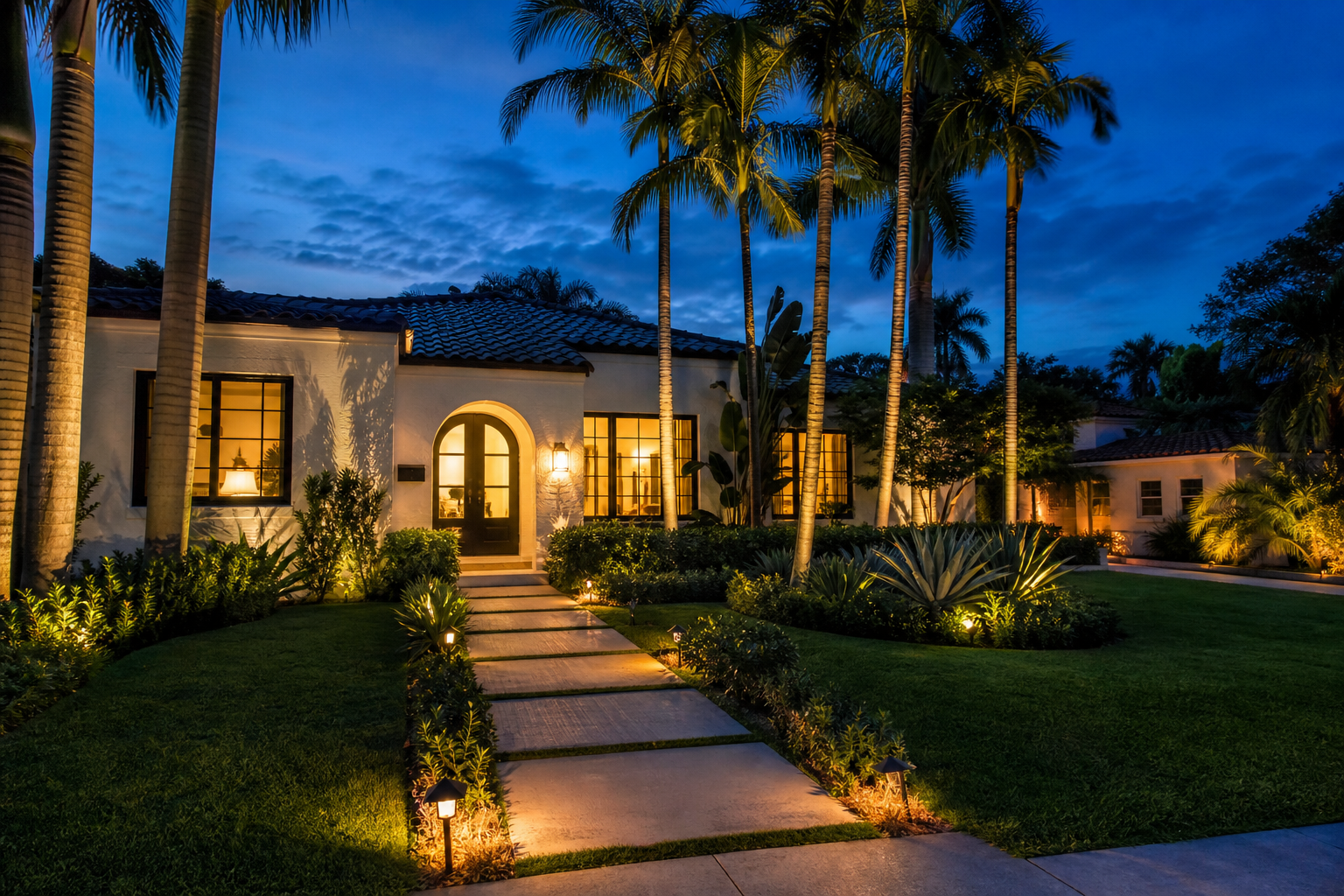
A local Fort Lauderdale expert like Scott Morreau brings neighborhood-level pricing data, Florida-specific process knowledge, and direct hands-on guidance that no national platform can replicate, especially in a market where conditions vary sharply by ZIP code, property type, and flood zone.
Why does working with a local Fort Lauderdale realtor actually matter?
A local expert knows which Broward ZIP codes are rebounding, which are sitting, and what flood zone or insurance issue could kill a deal before it closes. In Greater Fort Lauderdale’s fragmented market, neighborhood-level knowledge isn’t a nice-to-have, it’s the difference between a smooth transaction and an expensive mistake.
I’ve been working this market for more than 20 years. In that time, I’ve watched Fort Lauderdale shift from a buyer’s market to a seller’s market and back again, sometimes within the same year. The agents who serve their clients best aren’t the ones with the biggest national platform, they’re the ones who can tell you exactly what’s happening on a specific street in Wilton Manors versus a condo building on Las Olas Isles.
Here’s what that actually looks like in practice.
What the Greater Fort Lauderdale market looks like right now
The 2026 market is more nuanced than any headline suggests. A Broward County-level view tells part of the story, but it misses the divergence happening underneath it.
At the city level, a Fort Lauderdale market data dashboard updated August 26, 2026 shows a median closed price of $470,000, up 8.5% compared to July 2025, a meaningful signal of year-over-year appreciation. That said, the most recent countywide data, from a January 2026 market update covering December 2025, showed total Broward closed sales up 7.9% year-over-year, with single-family home closings rising 10.6%. Those are encouraging numbers.
But zoom in and the picture fragments. A mid-2025 analysis found the broader Fort Lauderdale metro with negative year-over-year home value growth of -2.7%, and certain ZIP codes, like 33322, showing declines of -6.6% with properties averaging 82 days on market. That same ZIP had 564 homes sitting in inventory.
Meanwhile, recent local market data across the areas I work most shows a very different range of conditions:
| Area | Median Sale Price | Median Days on Market |
|---|---|---|
| Wilton Manors | $575,000 | 50 |
| Oakland Park | $410,000 | 49 |
| Pompano Beach | $345,000 | 29 |
| Las Olas Isles | $4,853,000 | 44 |
| Poinsettia Heights | $627,500 | 37 |
These are area-level medians from aggregated public listing data for the trailing 90 days as of August 2026, an individual home’s value depends on condition, street, build year, and timing. But the spread tells you everything: a buyer moving from Pompano Beach to Las Olas Isles isn’t just crossing a bridge, they’re entering a completely different market dynamic. A national algorithm won’t catch that. I will.
What’s driving this divergence? Age of housing stock, HOA health, commute patterns, flood risk, and insurance costs all play a role. A property in a FEMA flood zone with aging infrastructure is going to sit longer than a renovated single-family home in a high-demand corridor, regardless of what any automated estimate says.
What a local expert actually does for you, from search to close
For buyers: the guidance starts before you ever see a listing
If you’re relocating to Greater Fort Lauderdale or moving within Broward County, the neighborhood comparison question is where I earn my keep. Wilton Manors and Oakland Park both sit close to downtown Fort Lauderdale, but they offer different price points, property types, and community feels. Pompano Beach gives you more square footage per dollar and, in some pockets, direct ocean or waterway access at a fraction of the Las Olas price. Coral Ridge, Poinsettia Heights, and Middle River Manor each have their own character and their own market rhythms.
I handle every transaction personally, no assistants, no hand-offs, which means when you ask me about a specific block in Rio Vista or a condo building near Fort Lauderdale Beach, I’m giving you my own read, not a delegated opinion.
Flood zone and insurance exposure is one area where local knowledge pays for itself immediately. Greater Fort Lauderdale is a coastal market. Whether a property sits in a FEMA-designated flood zone, whether it has a flood history, and what flood insurance will realistically cost, these factors can swing your monthly payment significantly. I know which micro-areas carry the most exposure and how to help you evaluate that before you’re under contract. For a deeper look at another insurance-related issue that affects buyers and sellers here, my post on Florida’s 4-Point Inspection walks through what insurers require and why it matters in this market.
The Consumer Financial Protection Bureau has solid resources on the mortgage process, but the local nuances, which title companies are efficient in Broward, how Florida’s Documentary Stamp Tax works, what disclosures are standard here, those come from experience in this specific market, not a federal website.
For sellers: pricing strategy and local positioning
The gap between what sellers hope to get and what buyers will pay is widest when pricing is based on national trends or outdated comps. A National Association of Realtors market report gives you the 30,000-foot view. What I give you is the street-level read: what sold in your specific neighborhood in the last 60 days, what’s sitting, and why.
Pricing your home right from the start matters more in a market like this one, where different ZIP codes are moving at completely different speeds. A home that’s overpriced in a 49-day-average market doesn’t just sit, it starts accumulating days on market that buyers notice and use as leverage. Your specific number depends on your home’s condition, location, and timing. That’s exactly the conversation I have with every seller before we settle on a list price.
If you’re selling a home over $1 million, the stakes of that pricing conversation are even higher. My post on what to know before you list a $1M+ Fort Lauderdale home covers the specific preparation and marketing strategy that protects your equity at that price point.
The closing process: Florida specifics matter
In Broward County, closings are handled by a title company, which manages escrow, disburses funds, and issues title insurance. Which party selects the title company, and who covers which costs, is negotiable in your contract, and local custom can vary by city. I walk my clients through that conversation so nothing catches them off guard at the closing table.
Florida’s Documentary Stamp Tax on deeds is set by state law at $0.70 per $100 of consideration, and $0.35 per $100 on promissory notes and mortgages, these are fixed statutory rates. What’s negotiable is who pays what in your specific transaction, and that’s where having an experienced local agent matters. I make sure buyers and sellers understand what these cost categories are and how they’re typically handled here, and I always route the final allocation question to your title company or tax advisor.
Florida also requires sellers to disclose known material defects through a Seller’s Property Disclosure. In a coastal market like Greater Fort Lauderdale, flood-related disclosure is especially important, whether the property is in a FEMA flood zone, whether it has flooded previously, and what the insurance implications are. These aren’t formalities. They’re the issues that surface in negotiations and, sometimes, in post-closing disputes. Knowing how to handle them correctly protects everyone in the transaction.
For sellers who also own a homestead and are thinking about what happens to their tax savings when they move, my post on Florida’s Save Our Homes portability explains how to carry that benefit to your next home, a detail that can mean thousands of dollars a year and that many sellers don’t think about until it’s almost too late.
Why 20+ years and $53 million in local sales matters to you
Experience in this market isn’t just a credential, it’s pattern recognition. I’ve seen the cycles: the post-2008 correction, the pandemic surge, the 2025 inventory buildup (Broward hit 9.84 months of housing supply in January 2025, the highest since the post-crash era), and the demand rebound that followed. Each cycle teaches you something about which neighborhoods hold value, which property types are most sensitive to rate changes, and where the real negotiating leverage sits.
As a Broker Associate, a step above a standard sales associate license, I’ve handled complex transactions, 1031 exchanges, waterfront and luxury deals, and relocations from across the country. The Florida Realtors association sets the professional standards; the experience of applying them across hundreds of transactions in this specific market is what I bring to yours.
Over 70 five-star reviews from buyers and sellers across Fort Lauderdale, Wilton Manors, Oakland Park, and Pompano Beach reflect one consistent thing: people who worked with me felt guided, not processed. That’s what a local expert is supposed to do.
Every situation is different, and the only way to know what your specific transaction looks like, what your home is worth, what a neighborhood is actually doing, what your costs and timeline will be, is to run through it with someone who knows this market. That’s the conversation I’m ready to have with you.
Frequently Asked Questions
Why should I use a local Fort Lauderdale realtor instead of a national online service?
National platforms give you data aggregated across thousands of markets, they can’t tell you why a property in ZIP code 33322 is sitting at 82 days on market while a comparable home in Wilton Manors moves in 50. A local agent knows the micro-dynamics: flood zone exposure, HOA health, insurance costs, and neighborhood-specific demand. That knowledge shapes your pricing strategy, your offer, and your negotiating position in ways no algorithm can replicate.
What’s going on in the Fort Lauderdale housing market in 2026, is it a buyer’s or seller’s market?
It depends on where you’re buying or selling. A Fort Lauderdale market dashboard updated August 26, 2026 shows a median closed price of $470,000, up 8.5% year-over-year, a sign of ongoing appreciation at the city level. But Broward County hit nearly 10 months of housing supply in early 2025, and some ZIP codes still carry elevated inventory and longer days on market. The honest answer is that conditions vary sharply by neighborhood and property type, which is exactly why you need a local read rather than a countywide headline.
How can a local expert help me navigate flood zones and insurance when buying in Greater Fort Lauderdale?
Flood zone designation, prior flood history, and insurance requirements can significantly affect your monthly costs and your ability to resell a property. In Greater Fort Lauderdale, these aren’t edge cases, they’re routine considerations in many neighborhoods. A local agent who works these areas regularly can flag flood-related risks early, help you interpret the seller’s flood disclosure, and connect you with insurance resources before you’re under contract rather than after.
What does a Fort Lauderdale buyer’s agent actually do during the offer, inspection, and closing process?
A buyer’s agent structures your offer based on current local comps and market conditions, negotiates inspection repairs or credits, coordinates with the title company on closing logistics, and tracks every deadline in the contract. In Florida, the closing is handled by a title company, not an attorney, and the process has local nuances around disclosure requirements, Documentary Stamp Tax allocation, and flood-related disclosures that a national agent may not know. Having someone who handles this market personally, every transaction, makes a measurable difference.
If I’m relocating to Wilton Manors or Oakland Park, how can a local realtor help me compare nearby areas?
Wilton Manors, Oakland Park, Pompano Beach, and Fort Lauderdale each offer different price points, commute patterns, property types, and community environments. Recent market data shows median sale prices ranging from $345,000 in Pompano Beach to $575,000 in Wilton Manors, and that spread reflects real differences in what you’re getting. A local agent who works all of these markets can walk you through the trade-offs based on your budget, lifestyle priorities, and long-term goals, not just what’s currently listed online.
The Greater Fort Lauderdale market rewards local knowledge. If you’re ready to buy, sell, or just figure out where you stand, let’s talk through your specific situation.
Schedule a conversation with Scott, no pressure, just a real read on your market.
Equal Housing Opportunity. Scott Morreau, P.A., Broker Associate, Real Broker, LLC (Licensed since 2001), regulated by the Florida Real Estate Commission. This article is general information only and does not constitute legal, tax, or financial advice, confirm your specific numbers and transaction details with your title company, tax advisor, or lender. Office at 2312 Wilton Drive is not a registered branch office and is not open to the public; meetings by appointment only. Real Broker, LLC main office: 8291 Championsgate Blvd., Championsgate, FL 33896.